|
The
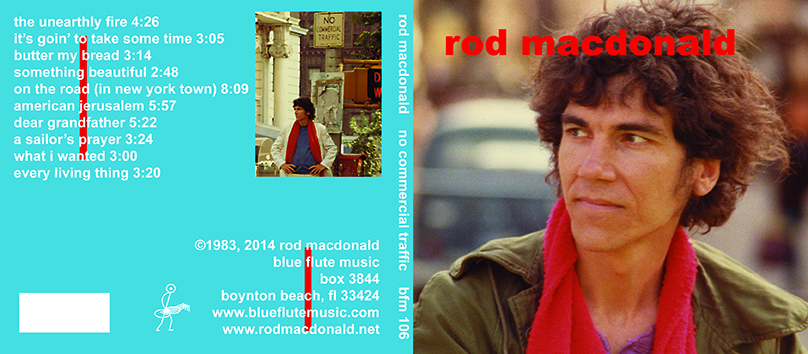
Unearthly Fire
©1983, 2014 Rod MacDonald (Blue Flute Music/ASCAP)
In the town known as greed on the high plains of money
The men looked at the land, flowing with milk and honey
But a far greater need a few did desire
To harness and sell the unearthly fire
And the lovers of greed did exile the ones
Who believed in the arms of the earth and the sun
Wherefore they did build a magnificent pyre
And weighed down the land with the unearthly fire
Five thousand degrees in the mere hands of men
Soon darkened the rivers, soon hardened the land
With the sun came the sickness, with the wind came disease
Came the crying of children, to the lovers of greed
Til the earth could no longer stand the strain of such heat
And it shrugged its great shoulders, it cracked its great
seams
And the unearthly fire spread over the vale
And lonely I live to tell you this tale
For he who scars the earth will have scars to bear
He who blackens the river, he who steals from the air
He who poisons the soil, does harm to the seed
Will know the high plains of the lovers of greed
And he who heals the earth, he who breathes long and deep
He who drinks the pure water and upon the soil sleeps
He who with his seed beckons for peace in our time
Will not see his blood ravaged by the unearthly fire
It’s
Goin’ To Take Some Time
© 1983, 2014 Rod MacDonald (Blue Flute Music/ASCAP)
When I look into your eyes
I know that I believe in you
But it’s goin’ to take some time for you to believe it, too
I know you want it to be strong
Well is there anything that I can do
‘Cause it’s goin’ to take some time for you to believe it, too
In the morning feels so right to have you lying by my side
Anyway, it’s so new, but tell me
Why can’t a dream come true
In the morning feels so right to be lying by your side
Anyway, it’s so new, but tell me
Why can’t a dream come true
I love you yes, I do
All the angels on the head of a pin don’t compare to you
In the morning feels so right to have you lying by my side
But it’s goin’ to take some time for you to believe it, too
It’s goin’ to take some time for you to believe it, too
Butter
My Bread
©1983 Rod MacDonald (Blue Flute Music/ASCAP)
Take the tape off the window, fix the toilet in the hall
Company’s a-comin’, send the roaches back into the wall
And boil up another plate of rice
What I like about you baby is you butter my bread on both
sides
Life ain’t cotton candy, you can’t tear it off in hunks
Life ain’t so dandy when you spend it all in the dumps
But you don’t ever make me feel slight
What I like about you baby is you butter my bread on both
sides
We’re just getting’ by, I know folks getting’ rich
they get good food, good drugs, and they get so good and sick
Of everybody treatin’ them so high and wide
What I like about you baby is you butter my bread on both
sides
So put on the kettle, I’m gonna catch me a fish
We’re gonna sauce him up sideways, serve it like some famous
dish
We’re having Poisson au Hudson tonight $32.95
What I like about you baby is you butter my bread on both
sides
Something
Beautiful
©1983, 2014 Rod MacDonald (Blue Flute Music/ASCAP)
If you ever want to know why I stay when I might go
There’s something beautiful in you
Darlin’ don’t I love you so
If you wonder why I call
When I’ve got nothing much to say at all
Darlin’ don’t I love you so
When you turn and you catch me
Looking at you secretly
I may be blind as blind can be
But there’s something beautiful I see
Do you hear what I say
Or do the words just get in the way
There’s something beautiful in you
Darlin’ don’t I love you so
When you smile, I smile too
There’s nothing else that I could do
It ain’t your clothes or the color of your shoes
It’s that something beautiful in you
On
The Road In New York Town
©1983, 2014 Rod MacDonald (Blue Flute Music/ASCAP)
New York town and it’s a quarter past four
Good night show’s over, over, here’s the door
You sung every tune you know and a couple more
Ain’t there someplace left you ain’t been before
You’re on the road in New York Town
You’ve got an apartment, you can call it home
But there’s no one there, you don’t want to be alone
You’re walkin’ around lookin’ for romance
You’re like a telephone that no one answers
On the road in New York Town
You’ve been on the highway and they’re all your friends
They give you rides, meals, highs, money, wave around the bend
Now you’re lookin’ round, standing in a mob
Lining up on Friday for a Wednesday job
Oh Latin lovers I wish I was you
Huddled in the subway makin’ one out of two
Bright lights, splatter, screech, brakes drownin’ out
Old drunk singin’ can you help a fella out
I’m on the road in New York Town
Stripped bicycles, bums, hunger everywhere
You’ve got a bank account but it’s nothing but air
Anyway the vampires are all around the bank’s
All night machine lookin’ for someone to fang
They’re on the road in New York Town
Long black limousine, Catherine Deneuve
You put your hand on the window and a cop says ‘Move’
Bag lady sleepin’ in a store doorway
This time the cop’s got nothing to say
She’s on the road in New York Town
Asshole tourist, struck out with the chicks
Breaks his big beer bottle on the bricks
Drives his big car home after blowin’ all his cash
Says ‘the trouble in New York is there’s too much trash’
He’s on the road in New York Town
What you wouldn’t give for someone to hold
But you had somebody and you turned her cold
There was one in Georgia but this is New York again
Nobody can hold you in the state you’re in
You’re on the road in New York Town
You got a warm bed but that’s inside
And there’s bars on the window and the moon is high
You can go to the square, you can sleep outside
Some guys are already there, but they won’t mind
They’re on the road in New York Town
Oh but you can’t sleep what are you gonna do?
You can go to the river, you can stare at the view
You been going to the river now for 17 nights
It’s the only thing’ll make you feel all right
You’re on the road in New York Town
|
American
Jerusalem
©1983 Rod MacDonald, ©1985 Universal Polygram Int'l (ASCAP)
New York City rain
I don't know if it's making me dirtier or clean
went for the subway but there was no train
and the tunnel was crumbling for repairs again
and the sign said welcome to American Jerusalem
I been around
you could spend forever looking for a friend in this town
and all you get to do is lay your dollar down
till you're stumbling drunk up the stairs again
and the sign says welcome to American Jerusalem
In the temples of American Jerusalem
they buy an ounce of South African gold
they don't care who was bought or sold
or who died to mine it
in the temples of American Jerusalem
they buy an ounce of Marseilles white
somewhere on a street with no light
somebody dies trying it
and somewhere in a crowd
looking the kind of way that makes you turn around
will be somebody who knows what it's about
and she's going to take the ribbons from her hair again
and welcome you to American Jerusalem
In the alleys of American Jerusalem
the homeless lie down at the dawn
the pretty people wonder what they're on
and how they afford it
in the ashes of American Jerusalem
the prophets live their deaths out on the corner
the pretty people say there should've been a warning
but nobody heard it
then shadows lick the sun
the streets are paved with footsteps on the run
somebody must've got double 'cause I got none
I forgot to collect my share again
so go west to breath the cleansing air again
go Niagara for your honeymoon again
go on the road if you're going to sing your tune again
go to sea to learn to be a man again
till you come on home to American Jerusalem
Dear
Grandfather
©1983, 2014 Rod MacDonald (Blue Flute Music/ASCAP)
Dear Grandfather my people are troubled these days
We put so much faith in things
And things aren’t worth the ways you have to pay for them
And Dear Grandfather so much our freedom depends
On how well we’ll pretend we’ll kill more of them
Then they’ll kill of us in the end
Chorus:
And I call to you wishing to serve you well
Is there a way I can heal what keeps us apart
For I am an orphan who’s come home to you in my heart
Dear Grandfather we tax all the land for what it’s worth
Til it has to make money and we build something ugly
An insult to the sky and the earth
And Dear Grandfather our rivers have suffered the worst
And I learned to drink before I learned to think
And still I am dying of thirst
Dear Grandfather I put my faith in a song
Til I’m learning to believe you get what you need
And sometimes you must lay it down
And Dear Grandfather to your silence I have come
For the wisest of men say we’ve spit on your hand
And soon your answer will come
A
Sailor's Prayer
©1978, 2014 Rod MacDonald
Though my sails be torn and tattered
and the mast be turned about
let the night wind chill me to my very soul
though the spray might sting my eyes
and the stars no light provide
give me just another morning light to hold
(chorus):
and I will not lie me down this rain a-ragin'
I will not lie me down in such a storm
and if this night be unblessed I shall not take my rest
till I reach another shore
Though the only water left
is but salt to wound my thirst
I will drink the rain that falls so steady down
and though night's blindness be my gift
and there be thieves upon my drift
I will praise this fog that shelters me along
(chorus)
Though my mates by drained and weary
and believe their hopes are lost
there's no need for their bones on that blackened bottom
and though death waits just off the bow
they shall not answer to him now
he shall stand to face the morning without us
(chorus)
What
I Wanted
©1983, 2014 Rod MacDonald (Blue Flute Music/ASCAP)
What I wanted to do tonight was to come around
Turn down the front hall light, put my arms around you
Didn’t matter that much to me if we drank or smoked
Or listened to some new records or went for broke
What I wanted to do tonight was to spend my time
With the one who’s been calling me, been on my mind
Didn’t matter that much to me if we talked or kissed
Just being somewhere with you, that’s what I miss
But you say to make it clear what I want from you
I want to be your lover (3x)
It’s true, yes it is it’s true, yes it is it’s true
What I wanted to do tonight was to come around
Maybe look into your eyes, ‘stead of looking down
Didn’t matter that much to me if we didn’t behave
'Scuse me if your company is what I crave
Every
Living Thing
©1983, 2014 Rod MacDonald (Blue Flute Music/ASCAP)
Seems like there ought to be a way
to look each other in the eye
to see we're all in this together
and put all thoughts of victory aside
seems like there ought to be a way to
turn some fear into trust
no matter what you say, there has to be a way
every living thing
is counting on us
Seems like there ought to be way
to separate the freedom from the flag
to see what's real in the illusion
sometimes a beauty walks around in rags
seems like there ought to be agreement
we would rather live in peace than fight
no matter what you say, there has to be a way
every living thing
is on our side
Seems like if there's a god in heaven
we must've been put here to get along
to see that life is for the living
to leave alive the living when we're done
seems like this ship out on the ocean
must fly on the wings of the dove
no matter what you say, there has to be a way
every living thing
is reason enough
|